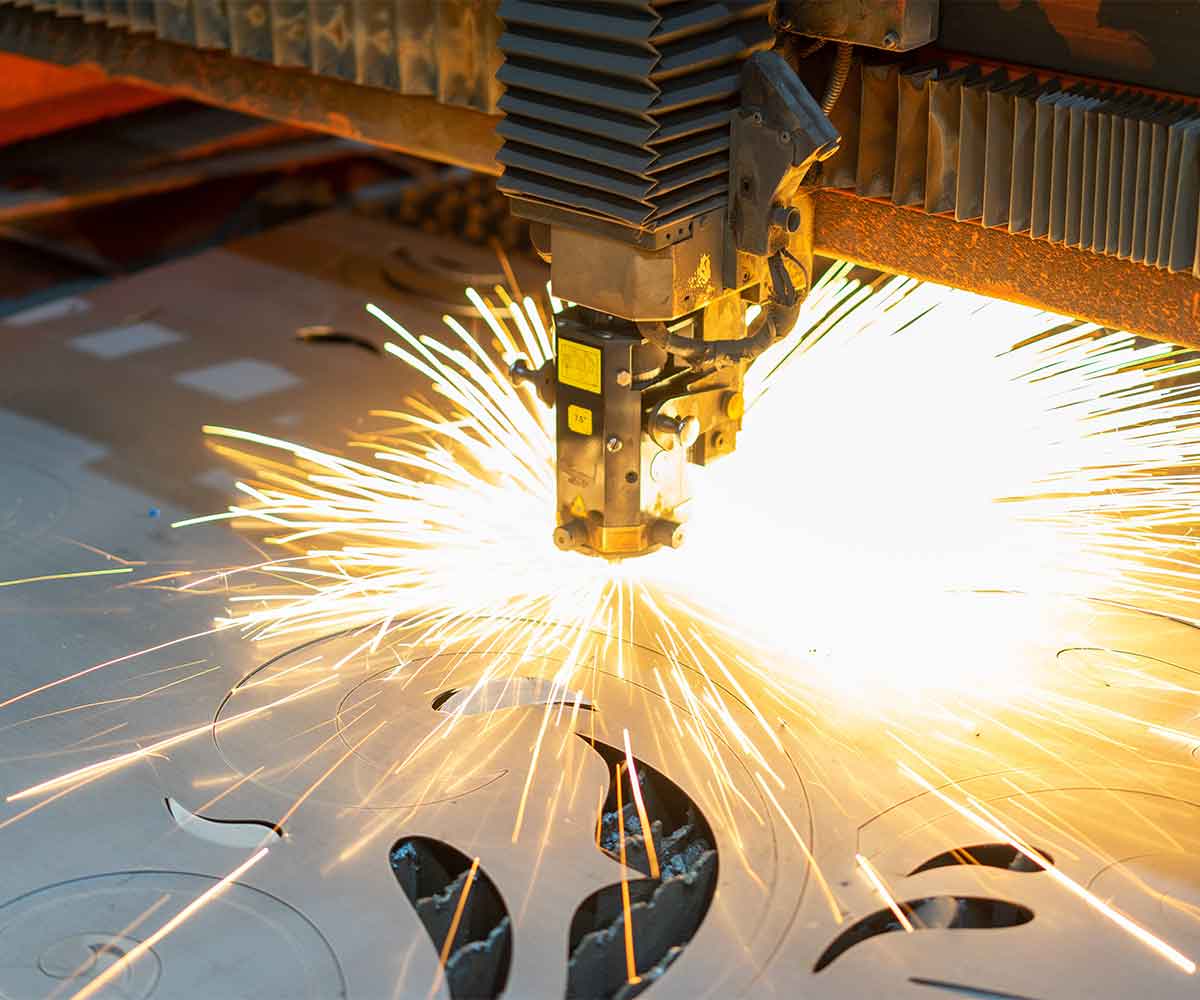
Sheet metal bending is a fundamental manufacturing process used to shape metal into desired forms without cutting or removing material. It plays a crucial role in industries like automotive, construction, electronics, and industrial equipment. Achieving precision and consistency in bending depends on several key elements that influence the final outcome.
1. Material Selection
The type of metal significantly impacts the bending process. Materials like stainless steel, aluminum, and mild steel have different strength, ductility, and flexibility. Choosing the right material ensures better formability and reduces the risk of cracks or deformation.
2. Bend Radius
Bend radius refers to the inside curvature of the bent metal. A proper bend radius is essential to prevent material failure. If the radius is too small, it may cause cracking; if too large, it can affect the design accuracy.
3. Bend Allowance
Bend allowance is the length of the arc that the metal occupies during bending. It helps in calculating the flat length of the sheet before bending. Accurate bend allowance ensures precise dimensions in the final product.
4. K-Factor
The K-factor is a ratio that represents the location of the neutral axis within the material thickness. It helps in determining how the material stretches during bending and is essential for accurate calculations and consistency.
5. Tooling and Equipment
Using the right tools, such as press brakes and dies, is critical for achieving precision. The quality of tooling directly affects the bend accuracy, surface finish, and repeatability of the process.
6. Bending Force
The amount of force applied during bending must be controlled carefully. Excessive force can damage the material, while insufficient force may result in improper bending. The force required depends on material type, thickness, and bend angle.
7. Springback Effect
After bending, metals tend to return slightly to their original shape—this is known as springback. Manufacturers must compensate for this by slightly over-bending to achieve the desired angle.
8. Sheet Thickness
Thickness plays a major role in bending. Thicker sheets require more force and larger bend radii, while thinner sheets are easier to bend but may be prone to distortion.
9. Bend Angle
The bend angle determines the final shape of the component. Precision in angle measurement is essential to ensure the part fits perfectly in its intended application.
10. Surface Finish and Quality
Maintaining surface quality during bending is important, especially for visible or functional parts. Proper lubrication, tooling, and handling help avoid scratches and defects.
Conclusion
Sheet metal bending is a precise and technical process that requires careful consideration of multiple factors. From material selection to tooling and calculations, each element plays a vital role in ensuring accuracy, durability, and efficiency. By understanding these key elements, manufacturers can produce high-quality components that meet modern industry standards.